Best Smart Watches for Everyday Life, Fitness and Staying Connected
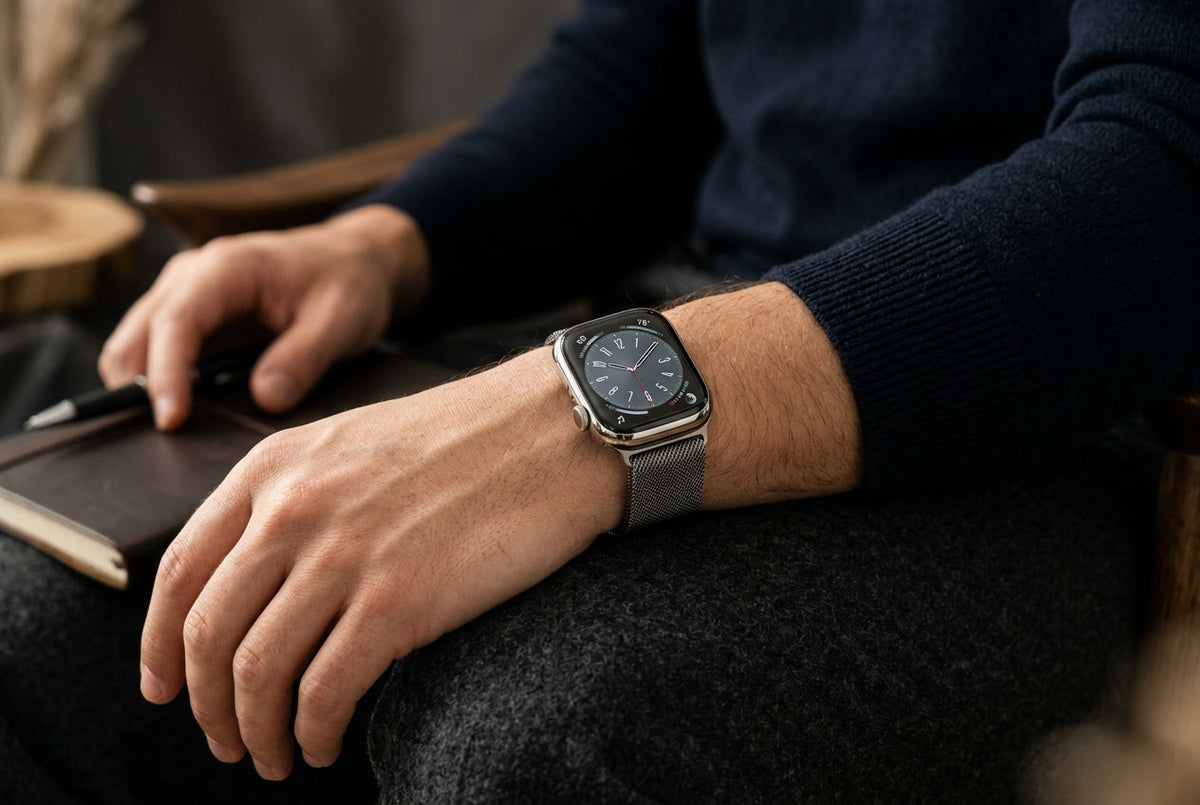
The best smartwatches do more than just show you notifications. They can be used to monitor your daily activity, track your workouts, check your messages, take calls and have a whole range of useful information at your fingertips. For someone who's juggling work, exercise and personal life the right smartwatch can go a long way to making your day to day life easier without you having to be constantly checking your phone.
Choosing one however is more than just a matter of screen size and the features that are advertised. Phone compatibility, battery life, comfort, health tracking and long term cost all have an impact on the experience. Some people will want a smartwatch with a wide range of fitness features, others will simply want a way to stay in touch throughout the day. Knowing the difference makes it a lot easier to pick a smartwatch that is right for your lifestyle and your budget.
Key Takeaways
-
Start with phone compatibility. Check that the smartwatch works with your Android phone or your iPhone before you go any further and start comparing the other features.
-
Match the features to your own routine. Fitness tracking, notifications, GPS and contactless payments all have their uses for different reasons.
-
Compare battery life in a realistic way. Always on displays, use of GPS and frequent workouts will all have an impact on how often your smartwatch will need charging.
-
Understand the limitations of health tracking. The data from your smartwatch can be of use in terms of general health monitoring, but it absolutely doesn't take the place of a proper medical assessment.
-
Choose a comfortable design. Case size, weight, strap material and display readability all come into it when you're wearing a watch for long periods.
-
Consider the total cost. Accessories, optional subscriptions and replacement straps can all add to the initial purchase price.
-
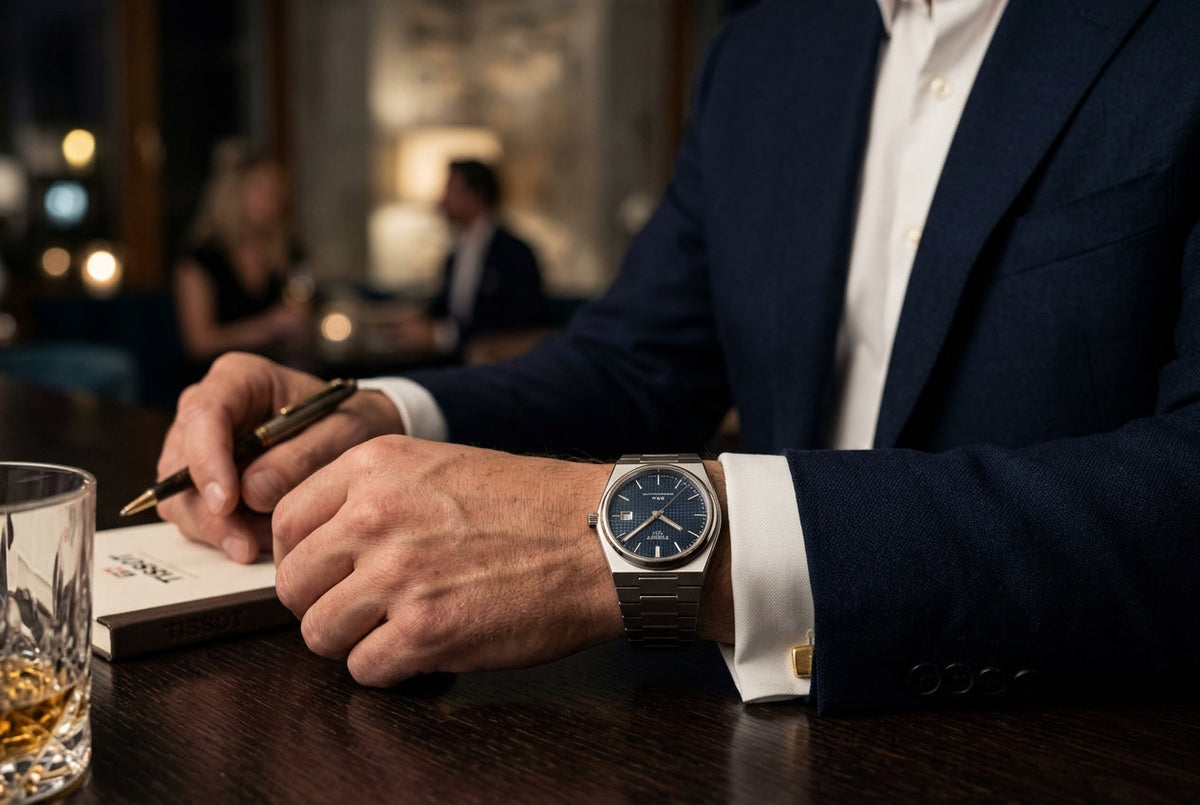
Think about your preferred watch style. A smartwatch is ideal if you're someone who's into connected lifestyle stuff, whereas a more traditional watch is probably the better option for the person who just wants a timepiece of a certain design and with minimal fuss.
What Makes the Best Smart Watches Worth Buying
A good smartwatch is one that combines useful tech with reliable day to day performance and a design you actually want to wear. The range of features varies from model to model but may well include step counting, heart rate monitoring, sleep tracking, workout recording, smartphone notifications, GPS and music control. Some of the more advanced models will have cellular capability, support for contactless payments and further health sensors.
Not everyone needs every feature. The regular runner is going to be looking for accurate GPS and good workout analysis, the professional is going to be looking for calendar reminders, message previews and a watch that looks at all appropriate on the office desk. Before you go off and look at the latest digital watches consider whether you actually want a connected watch with all the apps and health features or whether you're just after a simple digital watch with the basics.
Find a Smartwatch That Works With Your Phone
Compatibility should be your first port of call as it dictates which features you're actually going to be able to use. Apple Watch models are designed to work with compatible iPhones, many of the Wear OS watches are designed to work with compatible Android phones and other smartwatch platforms will have their own operating system requirements so you'll need to check the manufacturer's spec for your particular phone model and operating system.
Also consider whether you need to be responding to messages, answering calls, installing third party apps or receiving notifications from certain services. Some of the functions may be restricted when you're pairing a watch with a phone from a different ecosystem. If you're still trying to decide between the connected option and a more traditional watch, take a look at the men's watches or women's watches to see what the traditional options look like and how they might fit in with your everyday wardrobe.
Fitness Tracking That Fits Your Training Goals
For the regular exerciser the fitness features can be a huge reason to buy a smartwatch. Depending on the model you'll be able to log walks, runs, cycles, swims and gym sessions and then go on to analyse that activity via the associated smartphone app. GPS will record your outdoor routes and heart rate data can be used to track changes in your exercise intensity over time.
Look past the number of workout modes. Check whether it has built in GPS or whether it's reliant on your phone. Check the water resistance and whether the tracking capabilities are appropriate for the sport you're going to be doing. Fitness tracking is useful for spotting patterns and keeping you motivated but the readings will vary depending on the quality of the sensors, how well it fits and what you're actually doing. For those who are primarily after a sporty look rather than any real digital tracking then sport watches are another route into having a sporty watch.
Battery Life Can Make or Break the Experience
Battery performance will have a bearing on how easily the smartwatch fits into your day. Some watches are designed to last several days between charges, others will require more frequent charging, especially if you're using a number of the more power hungry features (always on display, GPS, cellular, continuous health monitoring etc). The battery life figures provided by the manufacturers are generally based on specific test conditions and should not be viewed as indicative of what you'll actually achieve on a day to day basis.
Think about when you'd actually want to charge it. If you're going to be using it to monitor your sleep then a watch that's going to need charging every single evening is going to be a bit of a pain unless you've got a charging routine worked out. Check charging speed, check cable availability and check whether it uses a proprietary charger. If you're the type of person who just doesn't want to be charging another electronic device then you may well be better off with a conventional quartz (with a replaceable battery) or an automatic (wrist powered) watch. The automatic watch collection is a good example of this alternative.
Health Monitoring Requires the Right Expectations
Many of the smartwatches have health related features in the form of heart rate monitoring, sleep estimates, blood oxygen measurement and ECG. That's dependent on the model, the market, the software and the applicable regulatory requirements. They can be useful in terms of spotting patterns, reviewing your activity and giving you some insight into certain changes in your recorded data.
A smartwatch in no way replaces medical equipment or professional advice. The readings produced by consumer devices can be inaccurate and some functions are designed for specific uses or age groups. Always check the intended use, limitations and availability of any health function in your own country before using it. If a reading is of any concern or you do experience any symptoms then you should of course seek advice from a properly qualified medical professional rather than just go on the reading from your smartwatch.
Choose a Design You Will Enjoy Wearing Every Day
Technology is important of course but it's the look and feel of the device that will determine whether you actually use it. A big case may give you more screen real estate and make it easier to read your notifications, but it can be a bit of a bulky proposition on a smaller wrist. A lighter watch may be better for use during exercise and when you're wearing it all night. A metal bracelet or a more refined case may be the way to go if you're after a more formal look.
Look at the case size, the strap adjustability, the display brightness and the materials that actually make contact with your skin. Check whether replacement straps are easy to source and what kind of attachment the watch uses (standard or proprietary). If it's all about personal style as much as it is about the practical features then have a look at the fashion watches for some design ideas or go for the ceramic watches if you're after the unique look of a ceramic case and finish.
Understanding Water Resistance Before You Buy
Water resistance is obviously key if you're going to be wearing your smartwatch when you're swimming, running in the rain or doing any other form of exercise in a humid environment. The level of resistance and the activities that are permitted will vary from model to model so it's important to check the manufacturer's guidance rather than assume that all smartwatches are suitable for swimming. Water resistance can also be compromised by wear and tear, damage, temperature changes and exposure to soaps and chemicals.
A water resistant watch is not necessarily one that's suitable for diving or indeed for any activity involving water. You need to check with the manufacturer as to whether swimming is permitted, whether certain buttons or functions need to be avoided when the watch is underwater and whether the watch requires any special care after it's been in salt water. Anyone shopping around for a normal timepiece can look at the water resistance specs for the various individual watches in the full watch collection.
How Much Should You Spend on a Smartwatch
The correct budget will obviously depend on what functions you're going to use. The entry level models will probably be sufficient for basic activity tracking and simple notifications. The more expensive models can offer a range of additional sensors, more sophisticated training tools, cellular connectivity, better build quality and/or a wider range of software features. A higher price point does not necessarily equate to a better product for your particular requirements.
Compare the total cost of ownership rather than just the advertised price. Check whether the key features are actually free or if they require a subscription. Check whether the cellular service is an additional plan. Find out how much the replacement straps and chargers will cost. Software support is another thing to bear in mind as it can have an impact on security, compatibility and access to features. For those who are more interested in the look and the traditional watchmaking aspect than in the connected functions then the best-selling watches are a good place to start when looking at the range of conventional watches.
Making Your Final Choice With Confidence
The best smart watches are the ones that just fit in with your life. Before you go shopping, make a shortlist of the features you actually need. Confirm it's compatible with your phone, check the battery life and ensure it supports the activities you're interested in. Always read the spec sheet for the exact model rather than just the general specs for a range of watches.
It's just as important to know when a smartwatch isn't the right thing for you. If all you really want is to tell the time, to finish an outfit or to have a reliable piece of kit that doesn't have another screen to fiddle with, then a traditional watch might be the better option. Watches of NZ have a huge range of traditional watches to choose from in all sorts of styles and price points so you can certainly look around if the 'connected' features aren't something you actually need.
Frequently Asked Questions
Which smart watch is best for everyday use?
The best option depends on your smartphone, budget and preferred features. Look for reliable notifications, comfortable wear, practical battery life and compatibility with the applications you already use. If you exercise regularly, fitness tracking and GPS may be more important than advanced communication features.
Are smart watches compatible with every smartphone?
No. Compatibility varies by brand, operating system and model. Some watches work only with particular phone ecosystems, while others support a broader range of devices with certain limitations. Always check the manufacturer's compatibility requirements before buying.
How long does a smartwatch battery last?
Battery life ranges from less than a day under demanding use to several days or longer on some models. Display settings, GPS activity, cellular connectivity, health monitoring and software can affect performance. Check independent reviews and manufacturer estimates for the specific model you are considering.
Can a smartwatch track sleep accurately?
A smartwatch can estimate sleep duration and patterns using sensors and algorithms, but its results are not identical to a clinical sleep assessment. Fit, movement and the device's tracking method can affect the data. Use sleep tracking to observe general patterns rather than treating every measurement as definitive.
Are smart watches worth buying for fitness?
They can be useful for recording workouts, monitoring activity and reviewing progress over time. Features such as GPS, heart rate monitoring and sport-specific tracking can help people understand their routines. The value depends on whether you will use the data and whether the watch supports your chosen activities.
Can I wear a smartwatch while swimming?
Some smartwatches are designed for swimming, but others are not. Check the specific model's water-resistance rating and the manufacturer's guidance on swimming, water pressure and button operation. Water resistance should never be assumed solely because a device is marketed for sports.
Is a smartwatch better than a traditional watch?
Neither is universally better. A smartwatch offers connected features, activity tracking and digital convenience, while a traditional watch focuses on timekeeping, design and, depending on its movement, mechanical or battery-powered operation. Your lifestyle and priorities should determine which option is right for you.
Should I buy a smartwatch or a digital watch?
Choose a smartwatch if you want smartphone connectivity, applications, notifications and potentially advanced health or fitness features. A conventional digital watch is worth considering if you mainly need the time, an alarm, a stopwatch or a countdown timer without depending on a companion application. Compare the features of individual models to ensure you get the functions you actually need.
What should I check before purchasing a smartwatch?
Confirm phone compatibility, battery expectations, display size, comfort, GPS availability, health features, water resistance and software support. Also consider the total cost of accessories and optional subscriptions. Reading the manufacturer's specifications and checking independent reviews can help you make a more informed decision.
Are smart watches suitable for formal occasions?
Yes. Many smartwatches have understated cases, customisable watch faces and interchangeable straps that can suit business or formal clothing. However, some buyers prefer the simplicity of a traditional dress watch for weddings, professional events and occasions where a classic accessory better matches their personal style.

Written by Kareem Elboray