
The Details That Make a Watch Worth Wearing for Years
A great watch does more than tell the time. It adds character to an outfit, reflects personal taste, and can become an everyday accessory that feels just as appropriate at work as it does during a special occasion. For many men, choosing a quality timepiece is also about finding something that balances appearance, functionality, and lasting appeal.
However, finding the right luxury watches for men involves more than choosing a recognised brand or an attractive design. Movement type, materials, case proportions, and everyday practicality all influence the experience of owning a watch. Understanding these details can make it easier to choose a timepiece that suits your lifestyle rather than simply following current trends.
Key Takeaways
-
A quality watch should complement your lifestyle, personal style, and everyday needs.
-
Automatic and quartz movements offer different advantages depending on your preferences.
-
Case size, dial design, strap material, and overall proportions influence comfort and appearance.
-
Features such as water resistance, crystal material, and chronograph functions are worth considering before purchasing.
-
A recognised brand is only one part of the decision. Construction, specifications, and warranty coverage also matter.
-
The right timepiece does not necessarily have to be the most expensive option.
What Makes a Watch Feel Truly Luxurious?
Luxury in watchmaking is not determined by price alone. Several details contribute to how a timepiece looks and performs, including its movement, finishing, materials, construction, and overall design. A carefully finished dial, a comfortable bracelet, and a well-proportioned case can make a watch feel considered and refined without requiring an overly complicated appearance.
Brand heritage and design identity can also influence a buyer's decision. Some prefer the understated character of a traditional dress watch, while others appreciate the bold styling of contemporary chronographs. Exploring different men's watches makes it easier to compare designs and identify the details that matter most to your personal taste.
Finding a Design That Matches Your Everyday Style
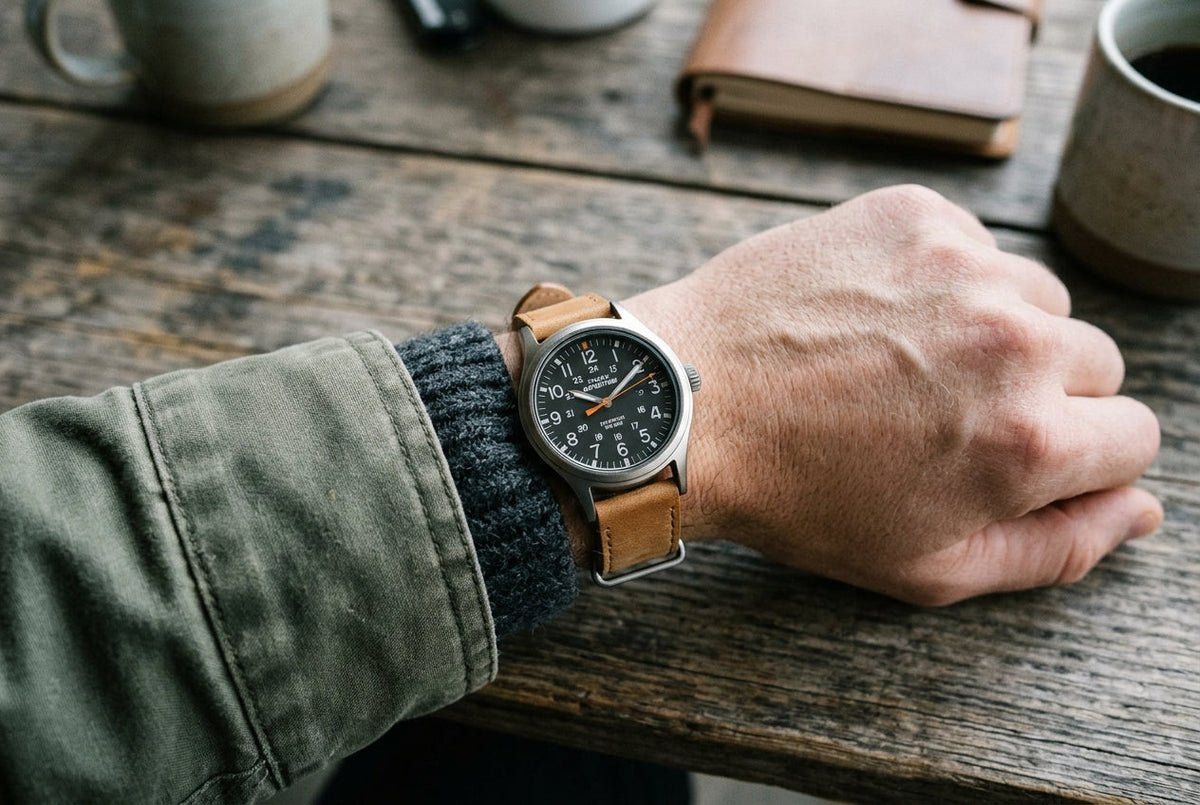
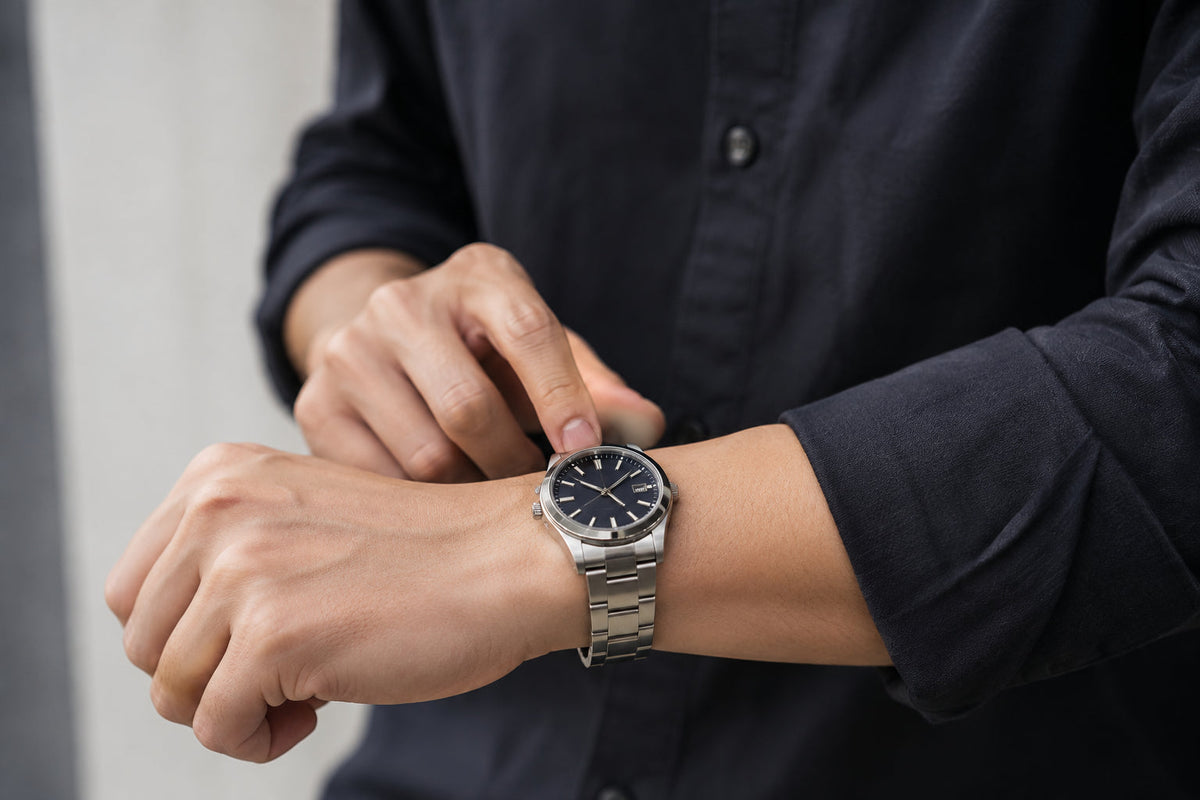
A watch should feel natural with the clothes you wear and the occasions you attend. For professional environments, a clean dial, balanced case, and leather or metal bracelet can create a polished appearance. Meanwhile, larger cases, textured dials, and distinctive colour combinations may suit men who prefer a stronger visual statement.
There is no single design that works for everyone. A minimalist watch can be an excellent everyday companion, while a gold-tone chronograph may appeal to someone who enjoys more noticeable accessories. If you prefer contemporary designs, explore the selection of men's fashion watches to see how different dial colours, case finishes, and bracelet styles create distinct looks.
Automatic or Quartz Movement and Which Should You Choose?
The movement is the mechanism responsible for keeping a watch running. Two common options are automatic and quartz movements, each offering a different ownership experience. Automatic watches use energy generated by the movement of the wearer's wrist to power their mechanical mechanism. They appeal to enthusiasts who appreciate traditional watchmaking and the engineering behind mechanical timekeeping. Depending on the model, an automatic watch may also require manual winding when it has stopped. For a closer look at the mechanics, Casio's guide to automatic watches explains how a rotor transfers energy to the mainspring.
Quartz watches use an electronic oscillator regulated by a quartz crystal and are generally powered by a battery. They are known for accurate timekeeping and convenient everyday use. Seiko's explanation of quartz technology provides further background on how the crystal oscillator regulates timekeeping. Neither movement is automatically better for every buyer. Those who appreciate mechanical craftsmanship may prefer an automatic watch, while someone prioritising convenience may find quartz more suitable.
Case Size and Proportions Make a Bigger Difference Than You Think
The case is one of the first things people notice about a watch, but choosing the right size involves more than following popular measurements. Wrist circumference, wrist shape, case diameter, thickness, and lug-to-lug distance all affect how a timepiece sits on the arm. A large watch can create a bold appearance, while a smaller case may offer a more understated and traditional look.
Comfort should be part of the decision, especially if you intend to wear the watch throughout the day. Ideally, the case should sit securely without extending awkwardly beyond the sides of your wrist. Trying different sizes and paying attention to the overall proportions can help you find a design that feels comfortable and looks balanced.
The Materials That Influence Appearance and Durability
Materials affect both the visual character and practical performance of a watch. Stainless steel is a popular choice because it offers a versatile appearance and good resistance to everyday corrosion. Leather straps provide a more traditional and refined look, while silicone straps are often associated with casual and sporty designs. Each material has its own maintenance requirements and wearing characteristics.
The watch crystal is another detail worth checking. Mineral glass is commonly used in everyday watches, while sapphire crystal offers greater scratch resistance. Neither material makes a watch indestructible, and the overall durability also depends on the case, construction, and how the timepiece is handled. For a more distinctive appearance, consider browsing men's gold watches, where gold-tone finishes create a different look from traditional silver stainless steel.
When Additional Watch Features Are Actually Useful
Additional complications and functions can make a watch more practical, depending on how you plan to use it. A date display is useful for everyday wear, while a GMT function allows the wearer to track another time zone. A chronograph provides stopwatch functionality through additional sub-dials and pushers, making it a popular choice among people who appreciate more detailed watch designs.
Water resistance is another specification that should never be overlooked. Watch water-resistance ratings indicate the level of pressure a watch is designed to withstand under specified testing conditions. However, a 30-metre rating does not mean a watch is suitable for swimming at that depth. The Japan Clock & Watch Association's explanation of water-resistance classifications provides useful guidance on different ratings and their intended uses. Buyers should always check the manufacturer's instructions and the specific model's rating before exposing a watch to water. Those interested in watches with stopwatch functionality can explore the available men's chronograph watches.
Choosing a Watch Brand That Reflects Your Personality
Different watch brands appeal to different tastes. Some are recognised for their traditional designs, while others focus on modern styling, oversized cases, distinctive colour combinations, or sporty details. Understanding a brand's design direction can help narrow down your choices before comparing individual models.
For example, Seiko and Citizen are familiar names among buyers interested in traditional watchmaking and practical timepieces. Emporio Armani and Michael Kors offer fashion-led designs, while Diesel is known for more prominent and contemporary styling. Maserati also brings automotive-inspired design elements into its watch collections. You can compare different labels through the Watches of NZ brand collection and explore the design characteristics that suit your preferences.
Smart Buying Decisions That Go Beyond the Price Tag
A watch purchase should involve more than looking at the original price or current discount. Check the product specifications, including movement type, case dimensions, crystal material, bracelet construction, and water resistance. These details provide a clearer understanding of what you are buying and whether the watch matches your expectations.
It is also important to consider authenticity and after-sales support. Genuine products, clear warranty information, and transparent purchasing conditions contribute to a more confident shopping experience. Before making a decision, review the retailer's authenticity and warranty information so you understand the available coverage and its limitations.
Making Your Watch Last Through Proper Care
Even a well-made watch needs regular attention to maintain its appearance and functionality. Keeping the case and bracelet clean, avoiding unnecessary impacts, and following the manufacturer's water-resistance recommendations can help reduce everyday wear. Leather straps should also be protected from excessive moisture, as prolonged exposure can affect their condition. Citizen provides practical instructions for cleaning and maintaining a wristwatch, including advice for metal, leather, and rubber straps.
Mechanical watches may require professional servicing over time, depending on the movement and manufacturer's recommendations. Patek Philippe offers detailed watch care and maintenance recommendations, including information about servicing, winding, and water resistance. Similarly, Audemars Piguet explains how to care for a watch and maintain its performance, with practical advice on cleaning, magnetic fields, and regular inspections. Quartz watches need battery replacement when their batteries run out. It is also advisable to have a watch inspected by a qualified professional if it experiences significant damage or develops timekeeping problems.
Find a Timepiece That Feels Right for You
The best watch is not necessarily the one with the highest price or the most complicated features. It is the one that fits comfortably, complements your personal style, and provides the functions you actually need. Whether you prefer a classic stainless steel design, a mechanical movement, or a bold chronograph, taking time to compare your options can lead to a more satisfying purchase.
If you are ready to explore different styles, browse the Watches of NZ collection and compare timepieces from a range of established brands. With the right balance of design, practicality, and quality, a well-chosen watch can become a dependable part of your everyday wardrobe.
Frequently Asked Questions
What should men look for when buying a luxury watch?
Consider the movement, case size, materials, crystal type, water resistance, and overall design. Your intended use is equally important. A watch for everyday wear may require different features from one intended for formal occasions or occasional use.
Are automatic watches better than quartz watches?
Not necessarily. Automatic watches appeal to people who appreciate mechanical engineering and traditional watchmaking. Quartz watches generally offer greater convenience and accurate timekeeping with less daily attention. The better option depends on your preferences and lifestyle.
How much should you spend on a quality men's watch?
There is no fixed amount that guarantees quality. Prices vary depending on the brand, movement, materials, construction, and additional features. It is more useful to establish a budget and compare the specifications and overall value of watches within that range.
What watch size is suitable for men?
The ideal size depends on wrist circumference, wrist shape, and personal preference. Case diameter and lug-to-lug distance are both important measurements. A watch should sit comfortably without its lugs extending noticeably beyond the wrist.
Can luxury watches be worn every day?
Yes, many watches are designed for regular use. However, suitability depends on the individual model's construction, materials, and water-resistance rating. Following the manufacturer's care instructions can help maintain its condition.
How often should a watch be serviced?
Service intervals depend on the movement, manufacturer, and usage. Mechanical watches may need periodic professional servicing, while quartz watches generally require battery replacement and occasional inspection. Always consult the manufacturer's recommendations for your particular model.
Does a higher-priced watch always mean better quality?
No. A higher price does not automatically guarantee better construction, accuracy, or durability. Brand positioning, materials, design, movement, and manufacturing costs can all influence pricing. Comparing specifications and considering your actual needs is a more reliable way to evaluate a watch.
How can I check if a watch is authentic?
Purchase from reputable retailers and check the product information, model references, and available authenticity guarantees. Warranty documentation and legitimate sourcing are also important considerations. If anything about a listing or seller is unclear, ask for clarification before completing your purchase.

Written by Kareem Elboray